
← All books
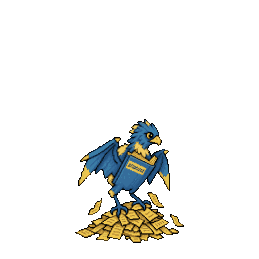
Monologion

Monologion

Anselm of Canterbury, Monologium (A Soliloquy on the Being of God)

Anselm, archbishop of Canterbury

More about Anselm of Canterbury →

The long way round to God, taken first.

Catch rate
51 / 255
Base research
138
Stat total
252

Base stats

Every stat is a checkable fact about the actual book, not a designer's mood. Bars are drawn against the highest value any book reaches.

Stamina50
Contend72
Defend62
Popularity68
Total252

Why these numbers

The game's own explanation, as a reader sees it in the backpack.

Stamina 50

Modest. Seventy-odd short chapters, each leaning on the one before.

Contend 72

It argues God from reason alone with nothing quoted from Scripture, because that is what his monks asked for. It contends well and it contends slowly.

Defend 62

Middling. Few ever attacked it. The famous objection, Gaunilo’s, was written against the shorter book that replaced it.

Popularity 68

Middling. Anselm wrote two books proving God from reason, and the world remembers the short one. This is the long one it grew out of.

Cited for this book

Anselm wrote the Monologium about 1076 at the request of his monks at Bec: prove God from reason alone, quoting nothing. He did. Then he spent months hunting a single argument that would stand by itself, nearly gave it up as a distraction, and wrote the Proslogion instead. Both books survive, and the world reads the second one.

Development

A book develops as it is read — the fragment becomes the work, the work becomes the corpus.

Moves learned

By levelling up. A book that develops keeps what it knew and learns the rest on its new schedule.

LvMoveTypeCat.PwrAccPP
1The Linking of Many ArgumentsRationalityArgument62100%20
1Random VerseBibleArgument10100%30
11Affirm—Status——1
26Chapter…BibleScripture——12
28Argument from DesignNatural TheologyArgument76100%10
30Question the PremiseRationalityType shift——10
50Speak LatinHistoryStatus—100%5

The quotes behind its moves

How to read these. In Scholar’s Dream, books argue with each other. Each thing a book can do in a debate is a move, and most moves carry a real quotation — the words the book puts on the table when it uses that move.

Strong against lists the opposing books and arguments a move was written to answer. Used against one of them, it hits much harder than usual: ×2 means twice the normal force, ×4 four times. It is the game’s way of saying: this is the sentence that answers that argument. Open an entry to read why.

“…considering that this book was knit together by the linking of many arguments, I began to ask myself whether there might be found a single argument which would require no other for its proof than itself alone.”

Anselm, Proslogium, preface (trans. Sidney Norton Deane, 1903, public domain) — written about the Monologium, the book he had just finished.public domain

The Linking of Many Arguments

RationalityArgument · power 62 · 100% accurate

In the gameNot one argument but a chain of them, each leaning on the last. It never misses and it never finishes anybody.

“For in him we live, and move, and have our being. As some of your own poets have said.”

Acts 17:28 (WEB) — Paul at the Areopagus, quoting the Athenians’ own poets back to them.

Affirm

Status

In the gamePick the part of the opponent’s case that is true and affirm it. That point can no longer be used against you, and the opponent’s Defend falls sharply. It deals no damage. Affirm something false and you have only agreed with an error.

“The very beauty of our own figure especially confesses God to be its artificer: our upright stature, our uplooking countenance, our eyes placed at the top, as it were, for outlook; and all the rest of our senses as if arranged in a citadel.”

Minucius Felix, Octavius 18 (trans. Wallis, ANF 4, public domain).public domain

Argument from Design

Natural TheologyArgument · power 76 · 100% accurate

In the gameA made thing argues for its maker. The body stands upright with its senses set high like a garrison; the world goes on being worth looking at long after the workman has gone. Either one is evidence, and neither had to be that way.

Strong against
×2.5Nein!an argument · why?

Paul did not preach to Athens from the Word alone. He started with their altar and their poets. If Barth is right, Acts 17 should not have been written.

“He who pleads his cause first seems right; until another comes and questions him.”

Proverbs 18:17 (WEB).

Question the Premise

RationalityType shift

In the gameChallenge the foundation of an argument before it can be pressed. Lowers the foe’s Contend.

What Would Jesus Tech

Helping Christians use tech, find rest, and glorify God.

Listen
All Episodes
Explore Topics
Apple Podcasts
Spotify
About
The Hosts
Speakers
Books
Scripture
Scholar's Dream Game
Contact
Patreon
© 2026 What Would Jesus Tech · whatwouldjesustech.com·